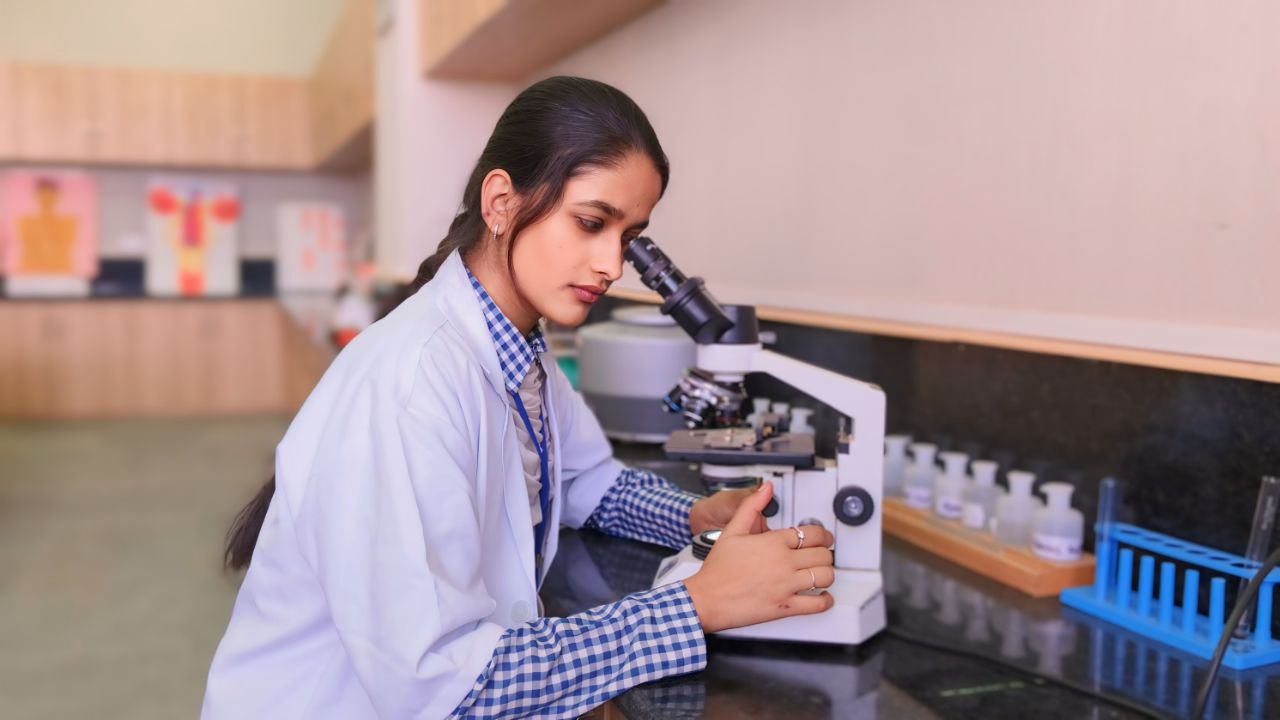
Course Name: Bachelor of Science
Affiliated to: MDSU, Ajmer
Duration of the course: 6 semesters(3 years)
Eligibility: 10+2(Science)
Course fee: 10,000 per year
Student intake: 140
Subjects:
Maths group: Chemistry, Mathematics, Physics
Bio group: Botany, Chemistry, Zoology
Further degree: After successful completion of three year degree course candidate may apply for Post Graduate course(M.Sc.).
Scope: Science has a wide scope in agriculture, medicine and industries. Botany provides many opportunities in areas such as taxonomy, plant breeding, agriculture, research, environmental & ecological conservation, biotechnology and microbiology. Zoology provides opportunities in areas such as wildlife conservation, the veterinary field, and the Zoological Survey of India(ZSI). Chemistry provides opportunities in areas such as pharmaceuticals, material science, forensic science, chemical engineering, and chemical industries. Physics provides opportunities in areas such as astrophysics, nanophysics, cosmology, ISRO, and electrical physics.
After B.Sc., students can also do M.Sc., NET, or Ph.D. A student can end up being a university or college lecturer or assistant professor in a research field or as a scientist in many industries, like the agricultural, medicinal, and chemical industries in various posts.
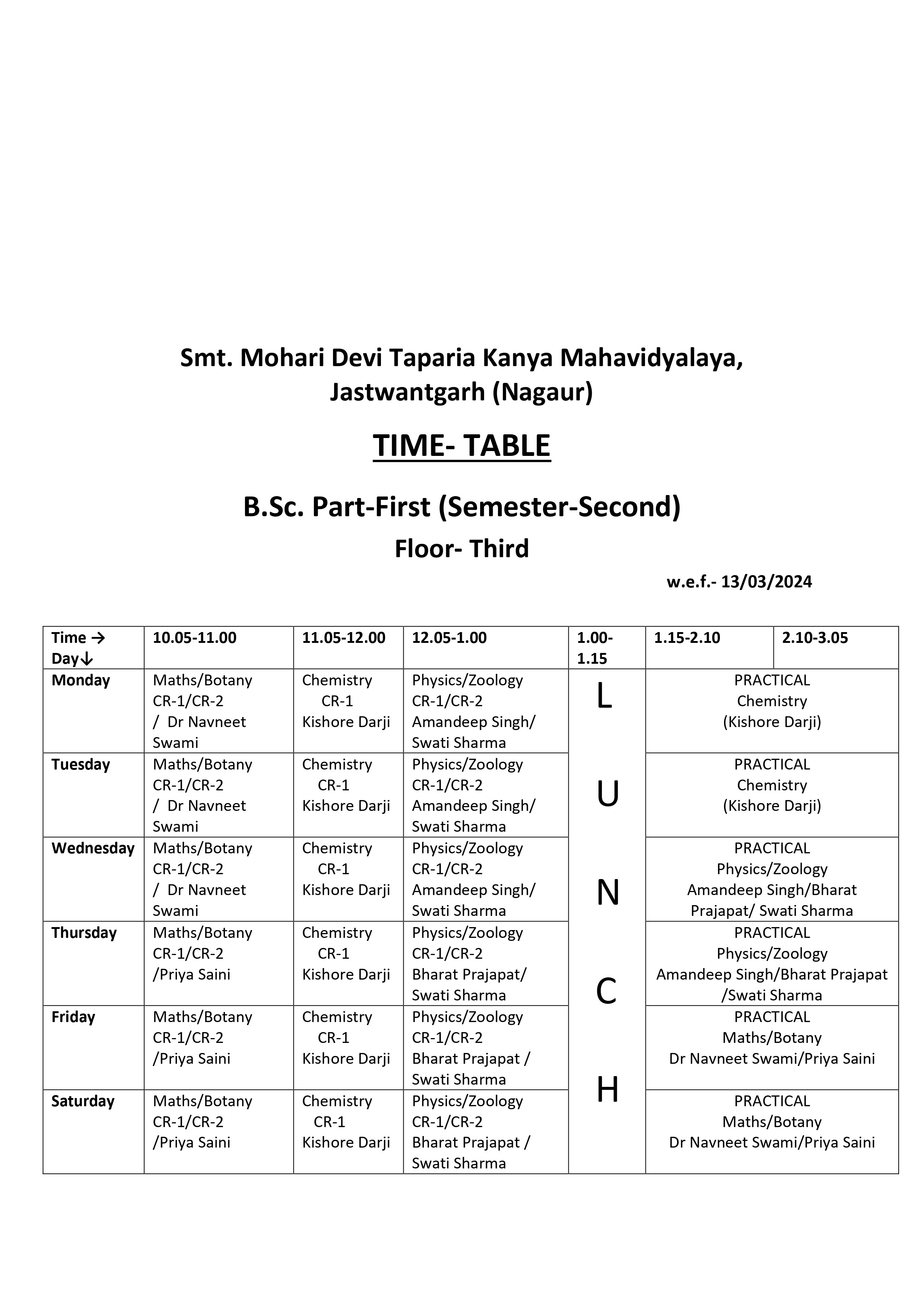
Faculties

Dr. Navneet Swami
Qualification: M.Sc.(Biotech), NET, Ph.D.
Designation: HOD(Science), Assistant Professor
Experience: 7 years

Mr. Kishore Darji
Qualification: M.Sc.(Chemistry)
Designation: Lecturer, Chemistry
Experience: 5 years

Mr. Amandeep Singh
Qualification: M.Sc.(Physics)
Designation: Lecturer, Physics
Experience: 1 years

Ms. Swati Sharma
Qualification: M.Sc.(Zoology)
Designation: Lecturer, Zoology
Experience: 3 years

Mr. Anurag Jangir
Qualification: M.Sc.(Mathematics), NET
Designation: Assistant professor, Mathematics
Experience: 1 year

Dr. Mamta Soni
Qualification: M.Sc.,Ph.D., NET(Chemistry)
Designation: Assistant professor, Chemistry
Experience: 5 year
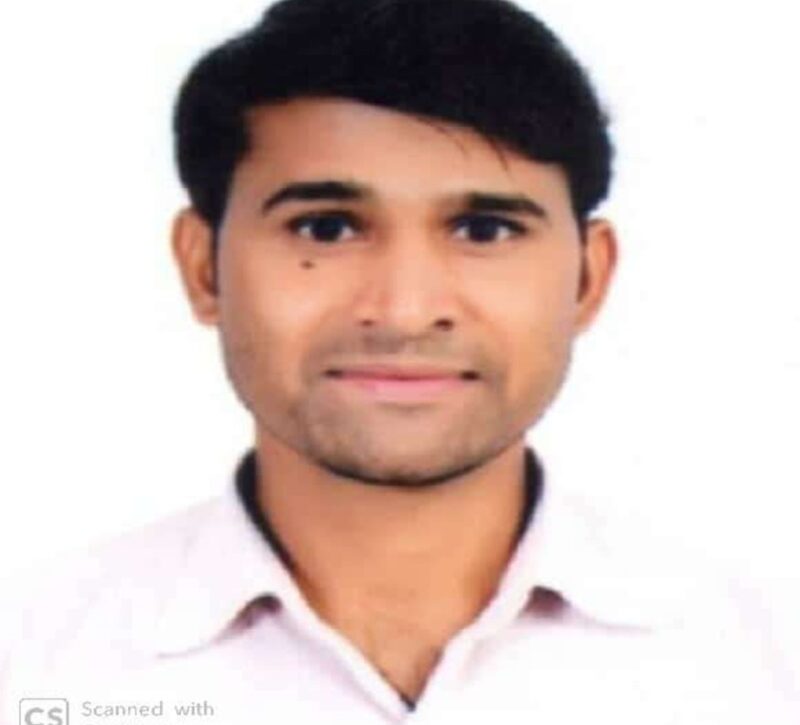
Mr. Mali Ram Hindala
Qualification: M.Sc., SET(Zoology)
Designation: Assistant professor, Zoology
Experience: 4 year

Mr. Bharat Prajapat
Qualification: M.Sc., NET(Physics)
Designation: Assistant professor, Physics
Experience: 3 year
Multidisciplinary Science Laboratory: Exploring Physics, Chemistry, Zoology, and Botany
Chemistry Lab
The chemistry laboratory is equipped with specialized tools for conducting experiments and analyzing data, such as analytical balances, colorimeters, spectrometers, centrifuges, and a variety of glassware and lab equipment.
Students in the chemistry lab engage in a variety of experiments to gain practical experience . For example:
● Water analysis (pH, hardness, conductance, TDS, DO etc.)
● Biochemistry Tests (food adulteration, protein, carbohydrates etc.)
● Acid-base titration.
● Identification of Radicals.
● Identification of functional groups.
● Detection of melting and boiling points.
● Chromatography separations.
Scope: The B.Sc. Chemistry program offers a wide range of career opportunities. Graduates can pursue careers in chemical industries, food industries, manufacturing firms, Indian Civil Services, medical research, and more.
Career opportunities: Chemistry is a core science subject with ample career prospects. Graduates can pursue diverse roles in research and development, teaching, product development, quality assurance, analytical science, and information science. Popular career paths include academic researcher, analytical chemist, biochemist, biotechnologist, clinical research specialist, and more.
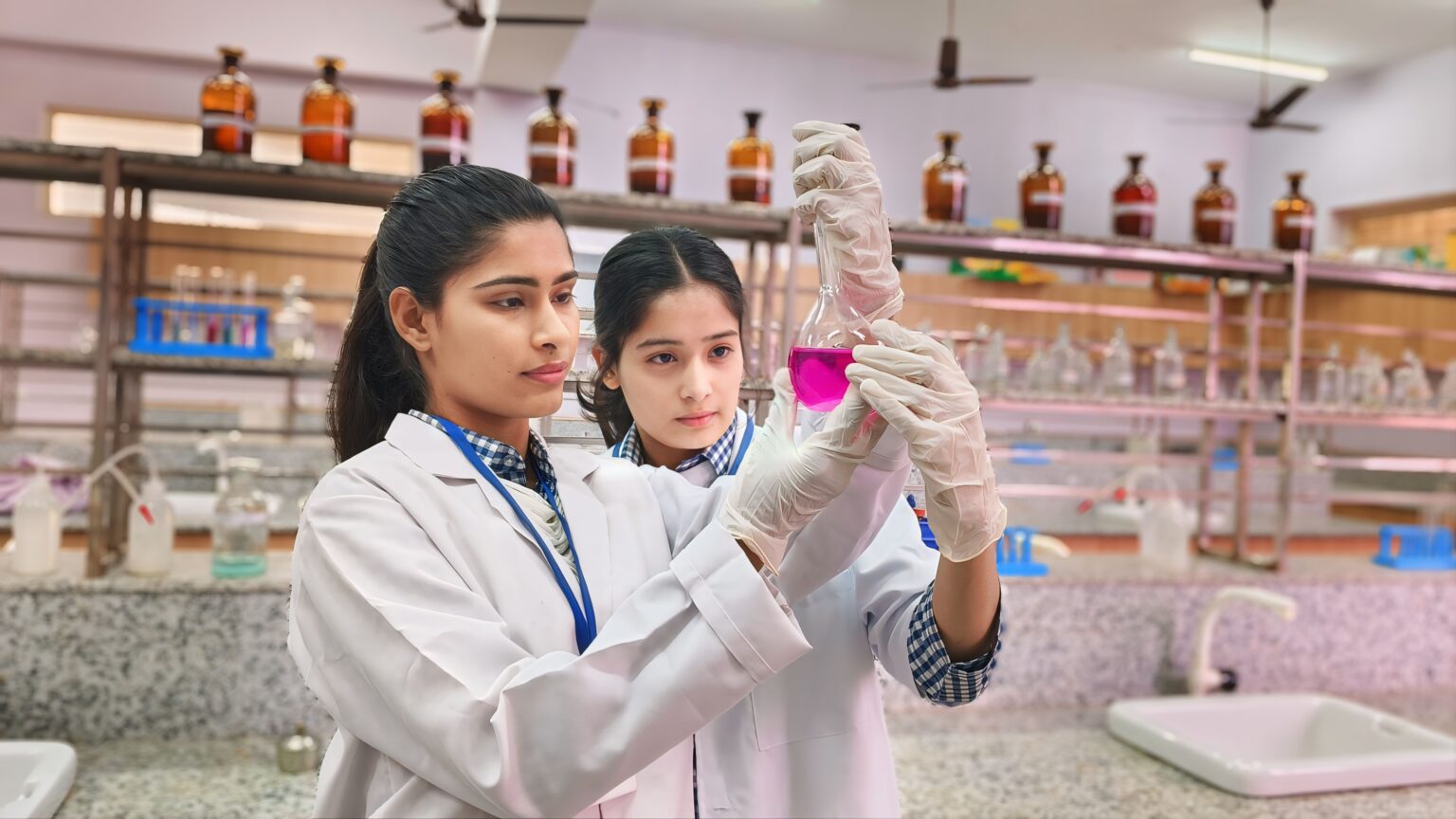
Physics Lab
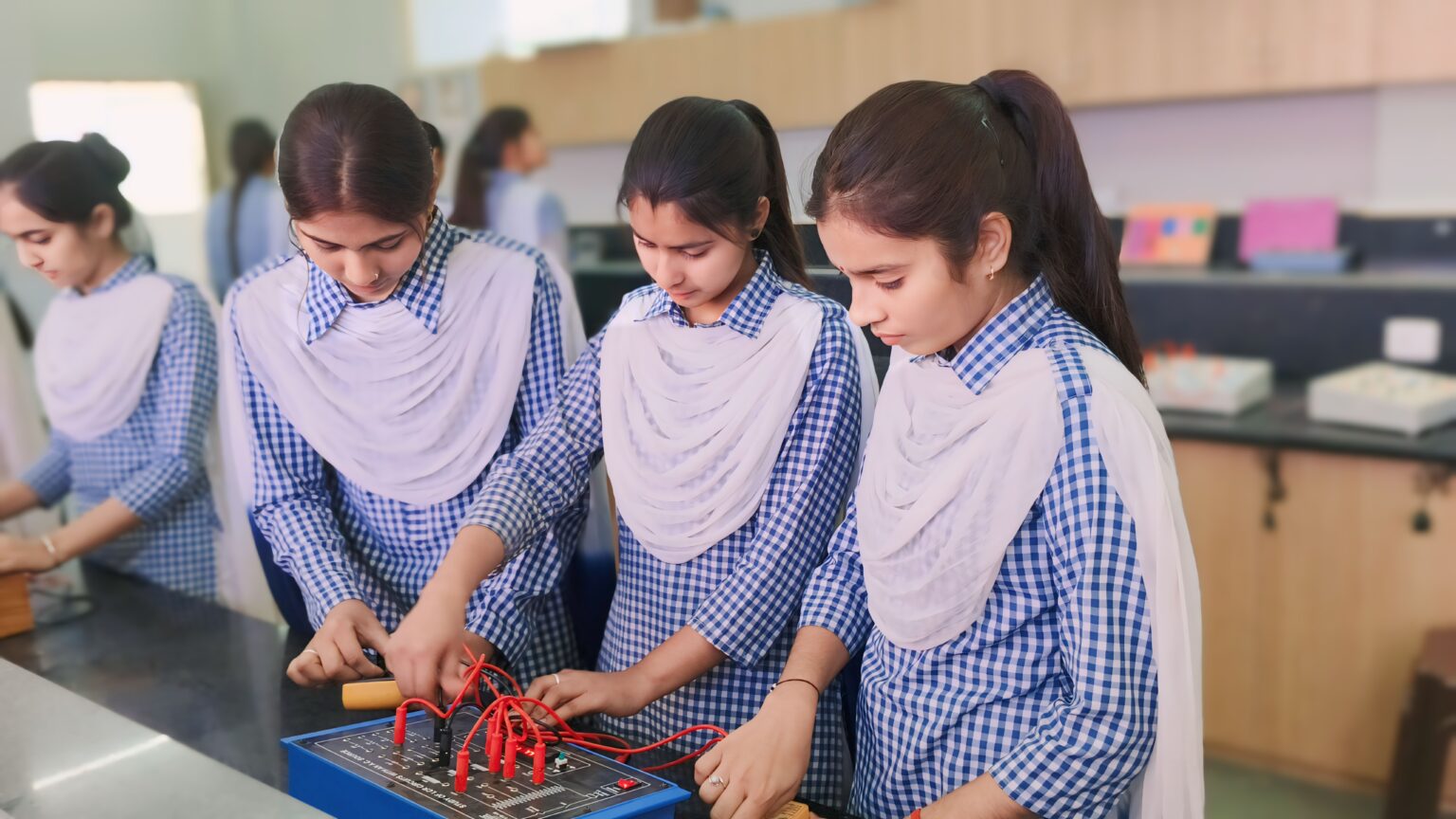
The Physics Laboratory is equipped with advanced tools and equipment to facilitate practical exploration and understanding of fundamental principles in physics. Students engage in a variety of experiments to gain hands-on experience in:
● Newton’s laws of motion and their applications.
● AC and DC electrical principles.
● Generation and measurement of sine and cosine waves.
● Solar panel experimentation for energy generation and kWh measurement.
● Ray optics experiments (including light speed measurement and prism interference).
● Investigation of circuits like LCR, RC, and LR circuits.
● Pendulum experiments, including torque and compound pendulum studies.
● Maxwell Needle for studying light impedance.
● Optical bench experiments with lenses for studying images.
● Utilization of instruments like Carry-foster Bridge, logic gates, amplifiers, Galvanometer, ammeter, voltmeter, solar cell, and photo cell.
● Dark room facility for in-depth study of ray optics, Newton rings, and prism interference.
Scope: After earning a B.Sc. in Physics, graduates can pursue advanced degrees such as M.Sc. and PhD, specializing in fields like quantum mechanics, astrophysics, and optics. Admission to these programs typically requires passing competitive exams like JAM, DUET, NEST, JNUEE, IPU CET, BITSAT, and IAT. PhD programs offer extensive research opportunities, crucial for preparing graduates for roles as educators and researchers in academia.
Career Opportunities: Graduates can find roles in prestigious public sector organizations like DRDO, ISRO, BARC, and ONGC as consulting physicists, junior scientists, lab technicians, and researchers. In the private sector, opportunities include positions as research analysts, technical consultants, and specialists in sectors such as telecommunications and aerospace, offering competitive salaries and growth prospects. This highlights the diverse career prospects available to B.Sc. Physics graduates.
Botany Lab
At our institution, the Botany Lab offers an engaging environment for students to explore the intricacies of the plant kingdom. Through hands-on experiments and collaborative learning, students delve into the morphology, anatomy, and physiology of plants. They gain practical skills in specimen collection, slide examination, and experimental analysis, fostering a deep understanding of botanical sciences.
Experiential Learning: Students engage in practical activities such as collecting and preserving plant specimens, examining slides, and conducting section cutting to understand plant structures.
Microbial Studies: The lab features a specialized microbial culture room with a laminar air flow chamber and autoclave for studying bacteria and fungi.
Equipment: Essential tools like compound microscopes, colorimeters, water baths, centrifuges, and electrophoretic apparatus support detailed scientific exploration.
Scope: The B.Sc. Botany program offers a comprehensive exploration of plant biology, covering diverse areas such as plant anatomy, morphology, physiology, taxonomy, ecology, and biotechnology.
Career Opportunities: Botany graduates can work in botanical gardens, environmental consulting firms, research institutions, agriculture, horticulture industries, pharmaceutical companies, and education sectors. Roles include botanist, plant biologist, horticulturist, conservation officer, agricultural scientist, and educator.
Top recruiters in Botany include Kew Gardens, the New York Botanical Garden, AECOM, CSIR, Monsanto, Syngenta, Merck, Novartis, and universities globally.
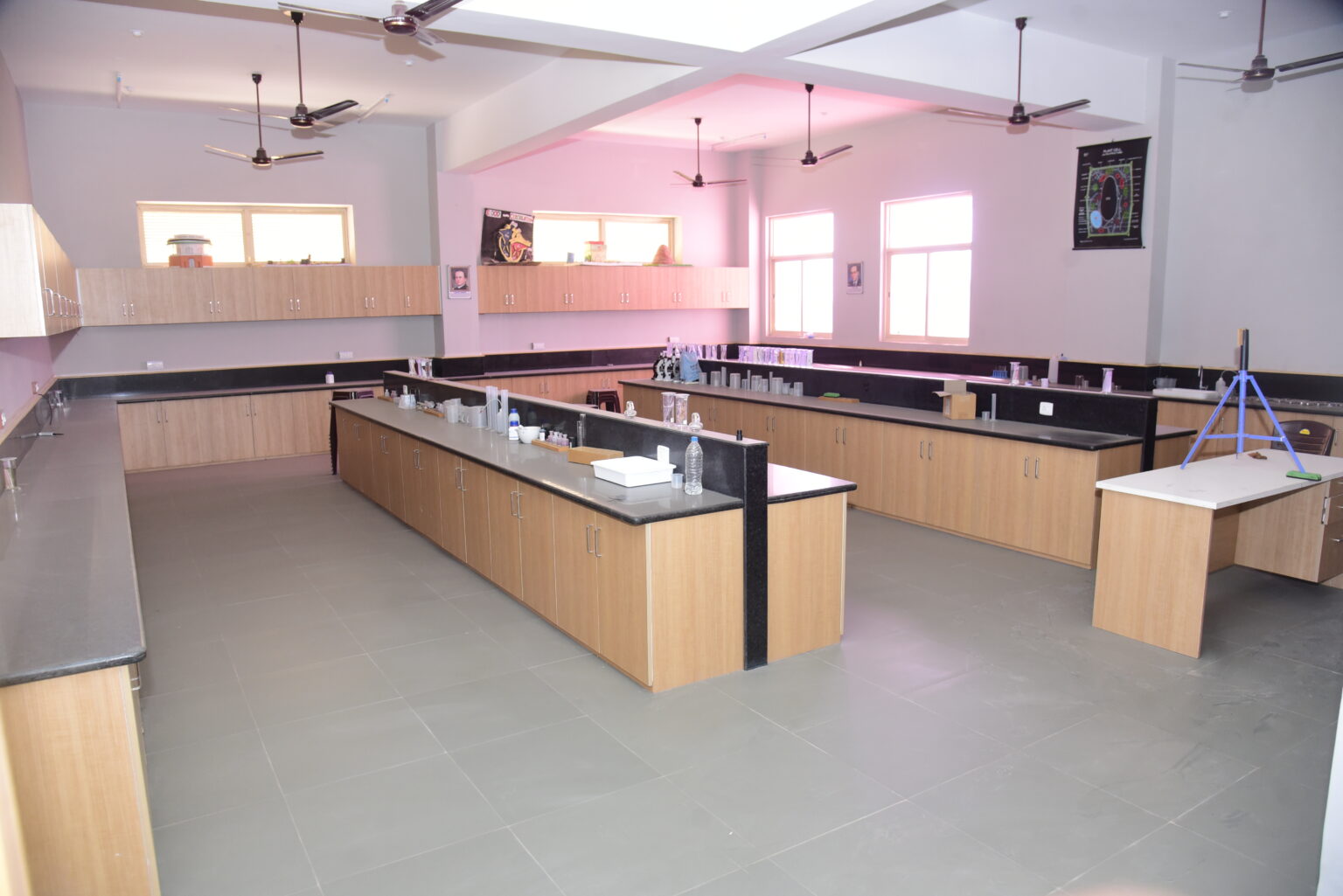
Zoology Lab